


This article is for informational purposes only and is not a substitute for professional medical advice.
If you’ve noticed your hair breaking more easily, nails feeling brittle, or your skin looking dull or uneven, you’re not alone. These everyday concerns can sometimes signal that your body isn’t getting all the nutrients it needs — and biotin is one of the most common vitamins involved.
Biotin (vitamin B7) is an essential, water-soluble nutrient that supports several core processes in the body, including energy metabolism, keratin production, and cell renewal. Even though biotin occurs naturally in many foods, research suggests that a significant number of adults may not maintain optimal levels through diet alone — especially during periods of stress, aging, postpartum recovery, or restrictive eating patterns.¹.
Because biotin plays such a foundational role in hair, skin, and nail health, high-potency biotin supplements have become a popular choice for supporting beauty and wellness from within. While even small amounts prevent deficiency, research on cosmetic support has primarily used dosages far above the 30 mcg Adequate Intake (AI) — often in the 2,500–10,000 mcg range — which many individuals tolerate well due to biotin’s water-soluble nature.².
This guide breaks down the science behind biotin, who may benefit from supplementation, how to choose the right product, and why higher-dose biotin is commonly used for beauty support.
Key Takeaways
- Biotin (vitamin B7) helps convert the food you eat into usable energy and supports healthy hair, skin, and nails.
- The Adequate Intake for adults is 30 mcg, but many beauty-support formulas — including Vital Vitamins’ Biotin Complex — use higher, research-supported doses (5,000–10,000 mcg).
- Certain groups, such as pregnant individuals, people with biotinidase deficiency, and those with chronic alcohol exposure, may have greater biotin needs.
- High-dose biotin can interfere with certain lab tests, so it's important to notify your healthcare provider before blood work.
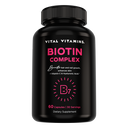
- Vital Vitamins’ Biotin Complex provides 5,000 mcg of biotin along with supportive antioxidants like vitamins C and E for comprehensive hair, skin, and nail nourishment.
What Is Biotin?
Biotin — also known as vitamin B7 or vitamin H — is a water-soluble B-vitamin your body relies on every day. It acts as a coenzyme, helping you break down carbohydrates, fats, and proteins into energy. This process fuels everything from basic cellular activity to the renewal of hair, skin, and nail tissues.³
Because biotin is water-soluble, it isn’t stored in large amounts. Your body uses what it needs and naturally eliminates the rest, which means consistent intake is important. Biotin is found in foods like eggs, nuts, seeds, mushrooms, sweet potatoes, and whole grains. But food amounts vary widely, and factors like cooking methods, digestive health, and diet diversity influence how much your body actually absorbs.⁴
While the Adequate Intake (AI) for biotin is 30 mcg per day, this amount is simply the minimum required to avoid deficiency symptoms. It does not reflect the levels studied for cosmetic support. Research on nail firmness, hair fullness, and keratin quality frequently uses dosages ranging from 2,500 to 10,000 mcg daily, which are well tolerated in healthy adults due to biotin’s low toxicity profile.⁵ ⁶
Some individuals naturally have higher biotin needs. For example:
- People with biotinidase deficiency cannot recycle biotin effectively.
- Pregnant and breastfeeding individuals often experience increased biotin turnover.⁷
- Those with digestive concerns, long-term alcohol exposure, or restrictive diets may absorb less biotin from food.
Understanding these factors explains why someone may choose a high-potency biotin supplement — not to correct a dangerous deficiency, but to support beauty and wellness goals at levels used in real research.
Key Health Benefits of Biotin Supplements
Biotin supplements offer several proven health benefits backed by scientific research. These benefits range from better hair growth to improved metabolism and brain function.
Supports healthy hair, skin, and nails
Biotin plays a central role in keratin production — the structural protein that forms hair strands, nail plates, and the outer layer of the skin.⁸ Studies show that biotin supplementation can improve nail thickness in individuals with brittle nails, and it is often used to support stronger hair and healthier-looking skin.⁹
While the 30 mcg Adequate Intake prevents deficiency, research on cosmetic support typically involves much higher supplemental doses, such as 2,500–10,000 mcg daily. These amounts have been well tolerated and are commonly chosen by individuals looking to support their beauty routine from within.
Aids in energy metabolism
Biotin helps activate enzymes that convert carbohydrates, fats, and proteins into usable energy.¹⁰ This process supports everyday vitality, muscle function, and cellular activity. Without adequate biotin, these enzyme pathways become less efficient, which may contribute to feelings of low energy or sluggishness.
Supplemental biotin helps ensure these pathways have the support they need, especially for individuals with higher metabolic demands or limited dietary intake.
Supports Nervous System Health
The nervous system relies on biotin-dependent enzymes to maintain healthy nerve signaling and support the production of myelin — the protective coating around nerve fibers.¹¹ Adequate biotin intake helps maintain proper neurological function and supports overall nerve health, especially as the body’s nutritional needs change with age.
Supports Healthy Fetal Development During Pregnancy
Biotin needs naturally increase during pregnancy due to faster nutrient turnover and higher metabolic activity. Research shows that many pregnant individuals experience marginal biotin deficiency even with typical dietary intake.¹² Biotin plays a supportive role in fetal cell growth, DNA synthesis, and developing tissues. This is one reason some prenatal formulas include higher levels of B vitamins, including biotin.
Because biotin is water-soluble, supplemental amounts are considered low risk when taken as directed — but pregnant or breastfeeding individuals should always consult their healthcare provider.
Natural Sources of Biotin
Biotin is naturally present in many everyday foods, which makes it easy to include in a balanced diet. However, the amount of biotin in foods can vary significantly depending on cooking methods, soil quality, and food type — and many foods contain only small amounts.¹³ That’s why some individuals choose to complement their diet with supplemental biotin, especially when supporting hair, skin, and nail health.
Common biotin-rich foods
Many familiar foods provide moderate amounts of biotin, including:
- Egg yolks
- Almonds, walnuts, peanuts, and sunflower seeds
- Sweet potatoes
- Spinach and broccoli
- Whole grains like oats and barley
- Mushrooms
- Legumes such as lentils and soybeans
- Bananas
-
Organ meats (liver is one of the highest natural sources)
Including a variety of these foods can help support your daily biotin needs — especially when combined with a nutrient-dense, whole-food diet.
Biotin in dietary supplements
While food provides the foundational 30 mcg needed to avoid deficiency, it typically does not reach the higher daily amounts used in beauty-support research. As a result, many individuals use biotin supplements to help support keratin strength, nail structure, and hair wellness at levels aligned with clinical studies.
High-potency biotin (2,500–10,000 mcg) is common in beauty supplementation and is well tolerated because biotin is water-soluble — meaning the body naturally excretes what it doesn’t need.¹⁴
For those who want more targeted support or have higher biotin demands, a high-quality supplement can offer a consistent, convenient source.
Groups at Risk of Biotin Deficiency
Certain people face higher risks of not getting enough biotin in their bodies. These groups need to pay extra attention to their biotin levels through diet or supplements.
Individuals with biotinidase deficiency
Biotinidase deficiency is a rare genetic condition that impairs the body’s ability to recycle and release biotin from food. Without adequate biotinidase activity, biotin remains bound to food proteins and cannot be used effectively.¹⁵
Newborn screening programs now identify most cases early, and lifelong biotin supplementation is the standard of care. Even partial biotinidase deficiency can lead to marginal biotin status, making daily supplements essential for maintaining normal enzyme activity.
Pregnant and breastfeeding women
Pregnancy significantly increases biotin turnover due to higher metabolic demands and rapid cell development. Research shows that many pregnant individuals exhibit signs of marginal biotin deficiency even when consuming typical diets.¹⁶
Because biotin supports fetal growth and maternal health, some prenatal supplements include elevated levels of biotin alongside other B vitamins. Pregnant and breastfeeding individuals should speak with their healthcare provider before making changes to supplementation.
People with chronic alcohol exposure
Long-term alcohol exposure can reduce biotin absorption and impair the body’s ability to convert biotin into its active form.¹⁷ Alcohol also impacts liver function and gut microbiota — both of which play roles in biotin metabolism.
Individuals with chronic alcohol use may require additional nutritional support, including B vitamins and biotin, to help maintain healthy metabolic and nervous system function.
How to Choose the Right Biotin Supplement
Picking the right biotin supplement means looking at dosage, purity, and extra ingredients that match your health needs. Vital Vitamins offers a Biotin Complex that stands out for its clean formula and proven results for hair, skin, and nail health.
Highlighting Biotin Complex Product from Vital Vitamins
Vital Vitamins’ Biotin Complex combines 5,000 mcg of biotin with other helpful nutrients like vitamins C and E that work with biotin to boost skin, hair and nail health.
Vital Vitamins rigorously tests their Biotin Complex, giving users peace of mind about what they're taking. The product comes in easy-to-swallow capsules and is made in FDA-registered facilities.
Ready to support healthier hair, skin, and nails? Try Vital Vitamins’ Biotin Complex today.
Conclusion
Biotin supplements offer real benefits for hair, skin, and nail health when taken properly. Your body needs this water-soluble vitamin for energy production and nerve function too.
People with certain health issues or pregnant women may need extra biotin beyond what foods provide. Quality matters, so check labels and dosages before buying any supplement. Taking the right amount of biotin can be a simple step toward better health and stronger hair, nails, and skin.
FAQs
1. What is biotin and why do people take biotin supplements?
Biotin, also known as vitamin B7, is a water-soluble vitamin that helps your body metabolize fats and carbs. People take biotin supplements to improve hair health, strengthen brittle nails, and support skin health when they can't get enough from their balanced diet.
2. How much biotin should I take daily?
The Adequate Intake (AI) for adults is 30 mcg per day, which is the minimum needed to avoid deficiency. However, beauty-support studies often use higher supplemental levels, typically between 2,500 and 10,000 mcg. Biotin is water-soluble, so these amounts are generally well tolerated when taken as directed.
3. Can biotin supplements help with hair concerns?
Biotin supports the body’s natural keratin infrastructure, which plays a role in healthy hair. Research shows that supplementation may be helpful for individuals with low or marginal biotin status.¹ Results vary by individual and depend on overall nutrient intake, lifestyle, and health factors.
4. What foods are rich in biotin?
Egg yolks, nuts, seeds, liver, sweet potatoes, and soy flour contain good amounts of biotin. Eating biotin-rich foods regularly helps maintain proper levels of this essential vitamin without needing nonprescription supplements.
5. Are there any side effects of taking biotin?
Biotin is generally safe with few reported cases of biotin toxicity. However, high doses can interfere with certain lab tests, including thyroid function tests and tests for heart problems, which could lead to misdiagnosis. The Mayo Clinic warns that biotin may also affect blood sugar readings for diabetes management.
6. Can biotin supplements interact with medications?
Yes, biotin can interact with certain medications like anticonvulsants such as Dilantin, Tegretol, Carbatrol, and Mysoline. These drugs may lower biotin levels in your body. Always talk to your doctor before starting supplements if you take any prescription medications.
Footnotes / References
-
Mock DM., et al. Suboptimal biotin status may occur even with typical dietary patterns. American Journal of Clinical Nutrition. 2017. https://doi.org/10.3945/ajcn.116.146027
-
Patel DP., et al. High-dose biotin is commonly used in cosmetic research with favorable tolerance. Journal of Drugs in Dermatology. 2017. https://jddonline.com/articles/dermatology/S1545961617P1207X
-
Combs GF., et al. Biotin functions as a coenzyme in macronutrient metabolism. Annual Review of Nutrition. 2012. https://doi.org/10.1146/annurev-nutr-071811-150704
-
Institute of Medicine. Biotin content varies significantly across foods and preparation methods. Dietary Reference Intakes. 1998. https://nap.nationalacademies.org/read/6015
-
Hochman LG., et al. Biotin supplementation improved nail thickness in brittle nail patients. Journal of the American Academy of Dermatology. 1993. https://doi.org/10.1016/0190-9622(93)70165-3
-
Zempleni J., et al. Biotin regulates gene expression related to keratin structure. Journal of Nutrition. 2008. https://doi.org/10.1093/jn/138.1.200
-
Hochman LG., et al. Biotin supplementation improved nail thickness in brittle nail patients. Journal of the American Academy of Dermatology. 1993. https://doi.org/10.1016/0190-9622(93)70165-3
-
Combs GF., et al. Biotin functions as a coenzyme in energy-producing metabolic pathways. Annual Review of Nutrition. 2012. https://doi.org/10.1146/annurev-nutr-071811-150704
-
Said HM. Biotin and its role in neurological function. Current Opinion in Clinical Nutrition and Metabolic Care. 2004. https://doi.org/10.1097/00075197-200405000-00005
-
Mock DM., et al. Pregnancy increases biotin catabolism, contributing to marginal deficiency. American Journal of Clinical Nutrition. 2003. https://doi.org/10.1093/ajcn/78.3.592
-
Institute of Medicine. Biotin content varies widely across foods and decreases with certain cooking methods. Dietary Reference Intakes. 1998. https://nap.nationalacademies.org/read/6015
-
Zempleni J., et al. Biotin has an excellent safety profile due to efficient renal excretion. Journal of Nutrition. 1995. https://doi.org/10.1093/jn/125.6.1329
-
Wolf B., et al. Biotinidase deficiency prevents the body from properly recycling biotin. New England Journal of Medicine. 1983. https://doi.org/10.1056/NEJM198310133091503
-
Mock DM., et al. Pregnancy increases biotin turnover and risk of marginal biotin deficiency. American Journal of Clinical Nutrition. 2003. https://doi.org/10.1093/ajcn/78.3.592
-
Halsted CH. Alcohol intake reduces absorption of multiple B vitamins, including biotin. American Journal of Clinical Nutrition. 1980. https://doi.org/10.1093/ajcn/33.11.2367
-
Zempleni J., et al. Biotin has an excellent safety profile due to efficient renal excretion. Journal of Nutrition. 1995. https://doi.org/10.1093/jn/125.6.1329
-
U.S. Food and Drug Administration. Biotin may interfere with certain laboratory tests, leading to inaccurate results. FDA Safety Communication. 2017. https://www.fda.gov/medical-devices/safety-communications
- Patel DP., et al. High-dose biotin is commonly used in cosmetic research with favorable tolerance. Journal of Drugs in Dermatology. 2017. https://jddonline.com/articles/dermatology/S1545961617P1207X