


You can eat well, stay active, and still feel like something is missing.
Low energy, occasional brain fog, or getting run down more often than expected can sometimes come back to one simple thing: not getting consistent amounts of essential vitamins.
These nutrients may be small, but they support some of the most important functions in your body—from energy production and immune health to bone strength and cognitive performance.¹ ²
The goal isn’t perfection. It’s consistency. And once you understand where vitamins fit into your daily routine, supporting your health becomes much more manageable.
Key Takeaways
-
Essential vitamins help support energy, immune function, brain health, and overall vitality.¹
-
Many adults benefit from more consistent daily nutrient intake.
-
A balanced diet is the foundation—but modern routines can make consistency challenging.
-
High-quality supplementation can help support daily nutritional gaps.
-
Simple, sustainable habits can support long-term wellness.
What Are Essential Daily Vitamins?
Essential vitamins are nutrients your body relies on every day—but cannot produce in sufficient amounts on its own.
That means your body depends on regular intake through food, and in many cases, supplementation can help support consistency.
There are two main types:
Fat-soluble vitamins (A, D, E, K)
Stored in the body and used over time to support areas like vision, bone health, and antioxidant protection.
Water-soluble vitamins (Vitamin C and B-complex)
Used more quickly and not stored in large amounts, which makes daily intake especially important for ongoing support.
Health organizations like the National Institutes of Health (NIH) provide general intake guidelines, but real-life nutrition doesn’t always follow a perfect plan. That’s why building a routine that supports consistency matters more than hitting exact numbers every day.
Why Vitamins Matter for Daily Performance
Vitamins don’t just help prevent deficiencies—they help your body perform at its best.
Energy and Cellular Support
Your body uses vitamins—especially B vitamins—to convert food into usable energy.¹
When your body has consistent access to these nutrients, it can support:
-
Steadier energy levels
-
Better mental clarity
-
More efficient cellular function
This is one reason many people focus on maintaining consistent daily intake rather than relying on occasional “perfect” meals.
Immune System Support
Your immune system relies on a steady supply of nutrients to function properly.
Vitamins such as A, C, D, and B6 help support immune cell activity and overall immune balance.² ³
Supporting your body with these nutrients regularly helps maintain a strong, resilient immune response—especially during periods of stress or seasonal changes.
Bone and Structural Health
Bone health depends on more than just calcium.
Vitamin D helps your body absorb calcium effectively, while nutrients like magnesium and vitamin K support bone structure and long-term strength.⁴
Consistent intake of these nutrients supports your body’s natural ability to maintain strong, healthy bones over time.
Essential Vitamins and Where to Find Them
A varied, nutrient-dense diet is a powerful foundation. Understanding where key vitamins come from helps you stay consistent.
Vitamin A
Supports vision, skin health, and immune function.⁵
Common sources:
-
Carrots
-
Sweet potatoes
-
Spinach
-
Dairy products
B Vitamins (B1, B2, B6, B12)
Support energy metabolism, brain function, and red blood cell production.
Common sources:
-
Whole grains
-
Eggs
-
Meat and fish
-
Legumes
Vitamin B12 is primarily found in animal-based foods, so some individuals may choose additional support depending on their dietary pattern.
Vitamin C
Supports collagen production, antioxidant activity, and immune health.⁶
Common sources:
-
Citrus fruits
-
Bell peppers
-
Strawberries
-
Broccoli
Vitamin D
Supports bone health, immune function, and overall wellness.⁷
Your body can produce vitamin D from sunlight, but daily exposure can vary.
Common sources:
-
Fatty fish
-
Egg yolks
-
Fortified foods
Vitamin E
Acts as an antioxidant and supports cellular health.⁸
Common sources:
-
Nuts and seeds
-
Plant oils
-
Leafy greens
Vitamin K
Supports normal blood clotting and bone health.⁹
Common sources:
-
Leafy greens
-
Broccoli
-
Fermented foods
Why Consistency Can Be Challenging
Even with the best intentions, daily nutrient intake can vary.
Busy Lifestyles
Packed schedules, travel, and convenience meals can make it harder to consistently get a full range of nutrients every day.
Limited Food Variety
Eating similar meals repeatedly can limit exposure to the full spectrum of vitamins your body needs.
Lifestyle and Environmental Factors
Time spent indoors, stress, and sleep patterns can all influence how your body processes and utilizes nutrients—especially vitamin D.
Individual Differences
Each person’s body is different. Nutrient needs and absorption can vary, which is why a flexible, supportive approach works best.
Supporting Your Daily Vitamin Routine
A strong foundation starts with:
-
A balanced, varied diet
-
Whole, nutrient-dense foods
-
Hydration and consistent routines
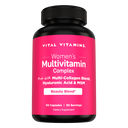
From there, many people choose to add a high-quality multivitamin to help support daily consistency.
Options like the
Men’s Multivitamin Complex
and
Women’s Multivitamin Complex are designed to complement a balanced diet and support everyday wellness with carefully selected nutrients.
Rather than replacing healthy habits, they help support them—making it easier to stay consistent over time.
The Bottom Line
Essential vitamins play a role in nearly every system in your body—from energy and immune support to bone health and cognitive function.
While a balanced diet is the goal, real life isn’t always perfectly consistent—and it doesn’t have to be.
What matters most is creating a routine that supports your body day after day.
With the right combination of nutrition, lifestyle habits, and thoughtful supplementation, you can support your health in a way that feels simple, sustainable, and effective.
References
-
Kennedy DO., et al. B vitamins and brain function and energy metabolism. Nutrients. 2016. https://pmc.ncbi.nlm.nih.gov/articles/PMC7019700/
-
Gombart AF., et al. Micronutrients and immune function. Nutrients. 2020. https://pmc.ncbi.nlm.nih.gov/articles/PMC8779769/
-
Calder PC., et al. Nutrition and immune system support. Nutrients. 2023. https://pmc.ncbi.nlm.nih.gov/articles/PMC10346564/
-
Rizzoli R. Nutrition and bone health overview. Osteoporosis International. 2014. https://pmc.ncbi.nlm.nih.gov/articles/PMC3330619/
-
Stephensen CB. Vitamin A and immune function. Annual Review of Nutrition. 2001. https://pmc.ncbi.nlm.nih.gov/articles/PMC3936685/
-
Carr AC., et al. Vitamin C and immune health. Nutrients. 2017. https://ods.od.nih.gov/factsheets/VitaminC-HealthProfessional/
-
NIH Office of Dietary Supplements. Vitamin D Fact Sheet. 2025. https://ods.od.nih.gov/factsheets/VitaminD-HealthProfessional/
-
Traber MG. Vitamin E function and health. StatPearls. 2021. https://www.ncbi.nlm.nih.gov/books/NBK557737/
-
NIH Office of Dietary Supplements. Vitamin K Fact Sheet. 2021. https://ods.od.nih.gov/factsheets/VitaminK-HealthProfessional/