


If you are suffering from forgetfulness, trouble focusing, or feeling mentally drained during the day, you are experiencing brain fog. Brain fog is common—especially as a result of aging, stress, or poor sleep, but it is also often linked to nutrient gaps that affect how your brain functions.
Certain vitamins, minerals, and natural compounds help support brain cell communication, energy production, and mental focus. This guide breaks down the natural supplements with the strongest research behind them, explains how they support cognitive health, and shows how to use them safely as part of a consistent, long-term wellness routine.
Key Takeaways
-
Omega-3 fatty acids (EPA and DHA), commonly used in the range of 500–2,000 mg per day, support memory, focus, and overall cognitive function, particularly in adults who eat little fatty fish. (2)
-
Vitamin D, often supplemented at 1,500–2,000 IU daily, helps support mood, focus, and long-term brain health, especially in those with limited sun exposure.
-
Magnesium, including brain-targeted forms like magnesium L-threonate, supports sleep quality, stress resilience, and mental energy. (3)
-
B vitamins—especially B6, B12, and folate—support neurotransmitter production and healthy homocysteine levels linked to cognitive aging. (2)
-
Ingredients such as L-theanine and Lion’s Mane mushroom are widely used for calm focus and cognitive support and continue to be studied for their role in brain wellness.
Omega-3 Fatty Acids
Omega-3 fatty acids are foundational nutrients for brain health. DHA and EPA are structural components of brain cell membranes and help keep communication between neurons running smoothly.
How omega-3s support mental clarity
DHA is especially concentrated in the brain and plays a role in learning, memory, and attention. EPA supports healthy blood flow and helps regulate inflammatory processes that can interfere with cognitive performance. Research consistently links adequate omega-3 intake with better memory and overall cognitive function, particularly as we age. (2)
Adults who rarely eat fatty fish often benefit from additional omega-3 support, either through diet, supplements, or a combination of both.
Food sources and supplementation tips
-
Fatty fish like salmon, sardines, and mackerel are rich natural sources.
-
Fish oil supplements provide a convenient, reliable option when intake is low.
-
Algae-based omega-3s offer a plant-based source of DHA and EPA.
-
Look for third-party testing (such as NSF or USP) to confirm purity and potency.
Consistent intake matters more than perfection. Small, daily habits add up over time.
Vitamin D
Vitamin D supports far more than bone health. In the brain, it plays a role in neuron signaling, neurotransmitter activity, and mood regulation.
Why vitamin D matters for focus and cognition
Low vitamin D status is common, especially for people who spend most of their time indoors or live in northern climates. Research links adequate vitamin D levels with better cognitive performance and emotional well-being across adulthood. (2)
Daily intakes in the 1,500–2,000 IU range are safe and typical to maintain healthy blood levels, particularly during fall and winter months.
Choosing a quality vitamin D supplement
-
Vitamin D3 (cholecalciferol) is the preferred form.
-
Capsules, softgels, and liquid drops all work well—choose what fits your routine.
-
Taking vitamin D with meals that include healthy fats can improve absorption.
Vitamin D works best as part of a lifestyle that includes movement, time outdoors when possible, and balanced nutrition.
Magnesium
Magnesium supports hundreds of processes in the body, including those involved in energy production, nerve signaling, and sleep quality.
Supporting mental energy and relaxation
Stress, poor sleep, and busy schedules can increase magnesium needs. Adequate intake helps support calm nervous system function and steady mental energy throughout the day.
Magnesium L-threonate is a form studied for its ability to support brain magnesium levels. Research suggests it may help support memory, sleep quality, and cognitive performance when used consistently (3).
Getting enough magnesium
-
Leafy greens, nuts, seeds, beans, and whole grains provide magnesium naturally.
-
Supplements can help fill gaps when dietary intake falls short.
-
Different forms serve different goals; magnesium L-threonate is often chosen for brain support, while other forms support muscle relaxation or digestion.
As with all supplements, quality and consistency matter.
B Vitamins (B6, B12, and Folate)
B vitamins are essential for converting food into energy and supporting neurotransmitters that regulate mood, focus, and memory.
How B vitamins support cognitive health
Vitamin B12 helps maintain healthy nerve function, while folate and B6 support normal homocysteine metabolism—important for long-term brain health. Research consistently shows that maintaining adequate B vitamin levels supports cognitive performance, particularly in adults over 50 (2).
Because absorption of B12 can decline with age, many people choose a balanced B-complex to help cover common nutritional gaps.
What to look for in a B-complex
-
Includes all eight B vitamins
-
Uses bioavailable forms such as methylcobalamin
-
Third-party tested for quality and purity
-
Matches dietary needs (vegan, gluten-free, etc.)
Balanced formulas support steady mental energy without overstimulation.
L-Theanine
L-theanine is a naturally occurring amino acid found in green tea and is widely used for calm, focused alertness.
Calm focus without jitters
L-theanine supports relaxation while maintaining mental clarity. Studies show it can improve attention and working memory while reducing stress-related mental fatigue. It’s often paired with caffeine to promote smooth, sustained focus without the edge some people experience from stimulants alone.
Typical supplemental amounts range from 100–200 mg per day and are well tolerated by most adults.
Lion’s Mane Mushroom
Lion’s Mane mushroom has a long history of use and continues to attract interest for cognitive wellness.
A supportive role in brain health
Lion’s Mane contains naturally occurring compounds that support nerve health and are being studied for their role in cognitive function. Early research and user experiences suggest it may support memory, focus, and overall mental clarity when used as part of a balanced routine. (8)
As with many natural ingredients, quality sourcing and consistency are key. Choosing products made from the fruiting body and tested for purity helps ensure reliable support.
A Thoughtful Approach to Brain Support
Many people find that combining several complementary nutrients works better than relying on just one. For example, omega-3s support brain structure, B vitamins support neurotransmitters, magnesium supports relaxation and sleep, and ingredients like L-theanine promote calm focus.
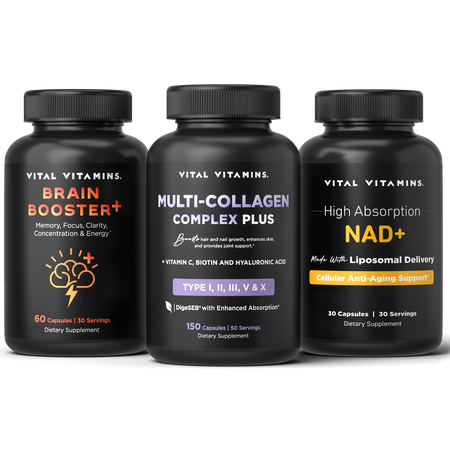
This kind of balanced formulation is why comprehensive blends such as Brain Booster Plus are often used as part of a daily brain wellness routine. Rather than targeting a single pathway, they bring together multiple evidence-backed ingredients designed to support clarity, focus, and long-term cognitive health.
Conclusion
Supporting mental clarity is a long-term investment. Omega-3 fatty acids, vitamin D, magnesium, B vitamins, and select amino acids all play meaningful roles in helping your brain function at its best. When paired with quality sleep, regular movement, stress management, and a nutrient-rich diet, these supplements can support sharper thinking and steady focus over time.
Dietary supplements are not intended to replace medical care, and individual needs vary. If you have ongoing cognitive concerns, take medications, or manage a health condition, speak with your healthcare professional before starting new supplements.
With consistent, thoughtful support, it’s possible to nourish your brain and maintain mental clarity well into the years ahead.